
NASA’s Astrobiology Program Is Ignored By NASA Astrobiology Missions
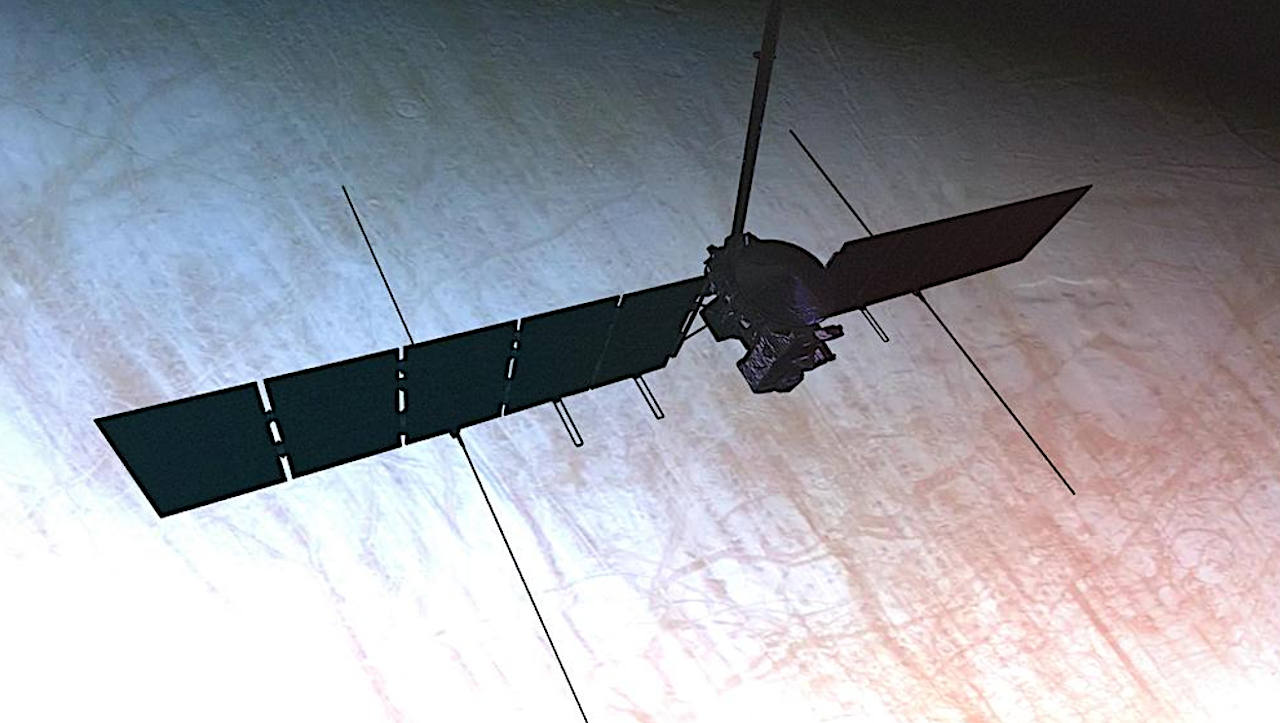
Keith’s note: NASA JPL issued this release on Tuesday: “NASA’s Juno Measures Thickness of Europa’s Ice Shell.” Juno is paving the way for a follow-on mission: Europa Clipper (and ESA’s JUICE mission too). Europa Clipper has a number of prime goals – one of which is to understand the potential habitability of Europa i.e. its ability to host life – which has been a core interest/goal of NASA’s Astrobiology Program for the past 30 years. You’d think that NASA would want to talk about their whole life-in-the-universe program since billions are being spent on it vis-a-vis Europa Clipper. Guess again. NASA ignores its Astrobiology Program. Here are three overt astrobiology memes mentioned in this release – no mention of “Astrobiology” however. Only NASA could deliberately limit access or mention to one of the most profound things that the agency does. When I ask SMD PAO about this they never respond. Never. NASA has a truly inept way of exercising its branding abilities. Once the excitement of Artemis II fades, NASA needs to keep the enthusiasm going by better presenting all of the other exciting things that it does in a way that is consistent across all of its public-facing resources – not stovepiped.
- “Slightly smaller than Earth’s moon, Europa is one of the solar system’s highest-priority science targets for investigating habitability. Evidence suggests that the ingredients for life may exist in the saltwater ocean that lies beneath its ice shell. Uncovering a variety of characteristics of the ice shell, including its thickness, provides crucial pieces of the puzzle for understanding the moon’s internal workings and the potential for the existence of a habitable environment.” (has a link to Europa Clipper Mission Science that never uses the word Astrobiology or points to the NASA Astrobiology program.
- “The thick shell, as suggested by the MWR data, implies a longer route that oxygen and nutrients would have to travel to connect Europa’s surface with its subsurface ocean. Understanding this process may be relevant to future studies of Europa’s habitability.”
- “The small size and shallow depth of these features, as modeled in this study, suggest they are unlikely to be a significant pathway for oxygen and nutrients to travel from Europa’s surface to its salty ocean.”






Leave a Reply
You must be logged in to post a comment.