How Many Class M Planets Are Out There?
 The Occurrence Rate of Earth Analog Planets Orbiting Sunlike Stars, NASA JPL via arXiv.org
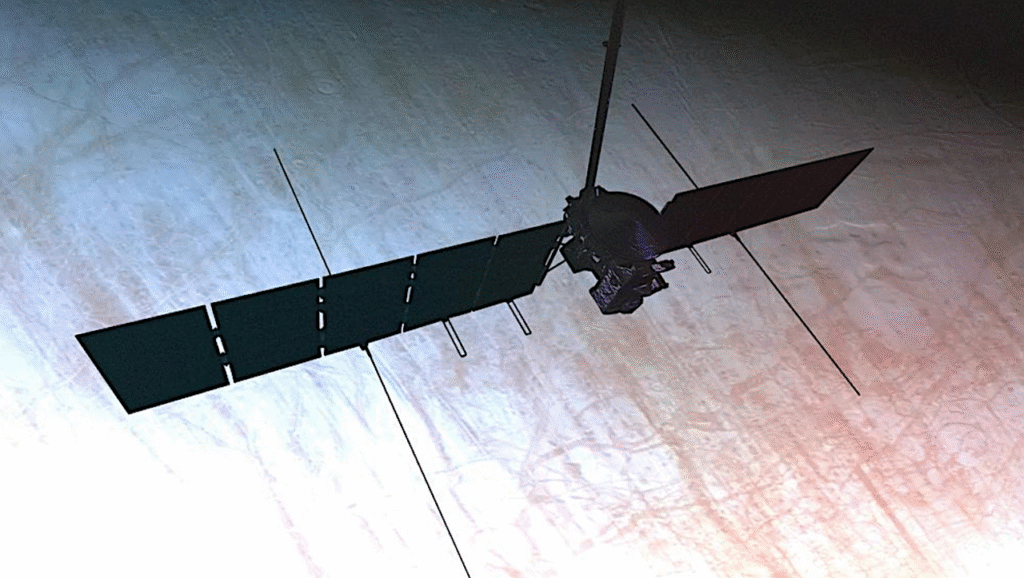
“Kepler is a space telescope that searches Sun-like stars for planets. Its major goal is to determine nEarth, the fraction of Sunlike stars that have planets like Earth. When a planet ‘transits’ or moves in front of a star, Kepler can measure the concomitant dimming of the starlight. From analysis of the first four months of those measurements for over 150,000 stars, Kepler’s science team has determined sizes, surface temperatures, orbit sizes and periods for over a thousand new planet candidates. Here, we show that 1.4% to 2.7% of stars like the Sun are expected to have Earth analog planets, based on the Kepler data release of Feb 2011.”