
Design Problems Are Causing Russian Launch Failures

Progress M-27M Failure Caused by “Design Peculiarity”, Space Policy Online
‘Russia’s space agency Roscosmos today revealed the results of its investigation into the April 28, 2015 Progress M-27M cargo ship launch failure. A “design peculiarity” related to frequency-dynamic characteristics between the Soyuz-2.1a rocket’s third stage and the Progress spacecraft was to blame, it said.”
Proton-M Failure Due to Same Design Flaw that Doomed 1988 Mission, Space Policy Online
“Russian authorities investigating the May 16, 2015 Proton-M rocket failure have determined that the root cause was a design flaw in the turbopump for the third stage steering engine and concluded it was the same root cause of a prior crash in 1988. Igor Komarov, head of Russia’s Roscosmos space agency, said today that the Proton-M third stage failed on May 16 because of excessive vibration in the turbopump.”

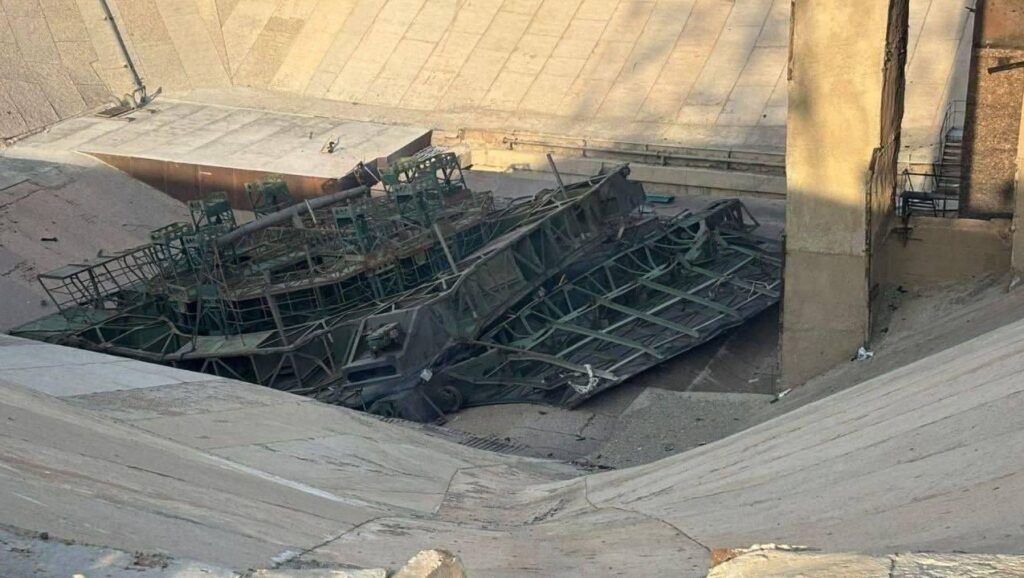

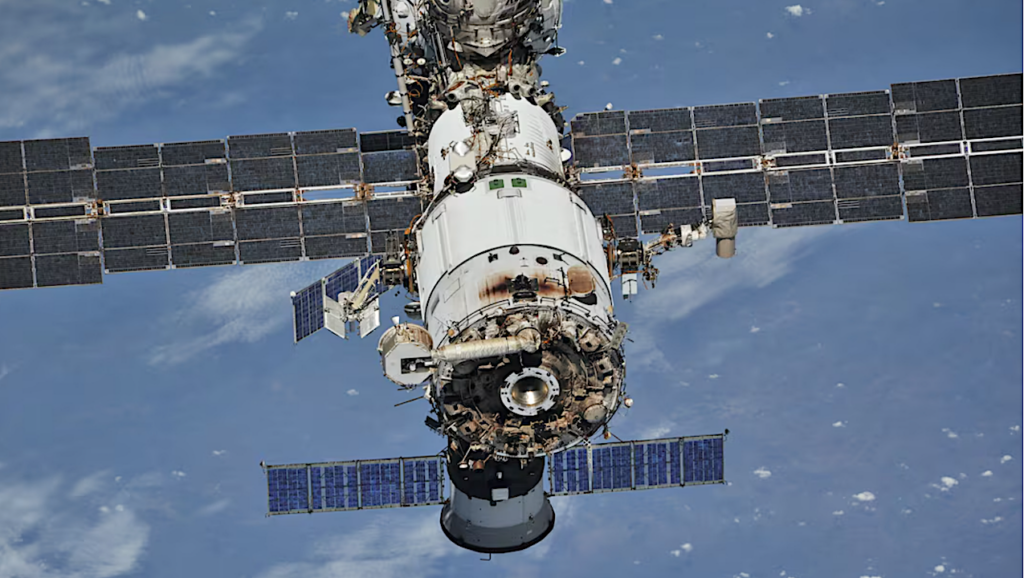


Calling it a “design peculiarity” understates the problem by an order of magnitude. Russia’s space and general corruption problems are numerous and extend from the top down. It’s going to take a lot more than oars to turn this ship.
Like I make comment on Space insiders.com. Proton M Rocket needs thorough full inspection everything like rocket core, tanks, engines and upper stages+ Brizs m third stage during manufacturing and assembling for defects. Later on launch site last inspection installing satellite upper stage catch any defects and problems before it make to launch. Last Proton M Rocket they shorten inspection and processing time that was big mistake to do!
Yes, but Buzz, you can inspect everything and not see the fundamental problem of frequency-dynamics in your inspection, can you?
Kchivers frequency-dynamics in third stage and Progress spacecraft separation devices bit cryptic by Roscosmos. Nasaspaceflight.com forum explain rapid decompression Oxygen and fuel tanks in the third stage before Progress spacecraft separation cause its failure.
thanks
http://www.sincerelyshirley.com