This is not a NASA Website. You might learn something. It's YOUR space agency. Get involved. Take it back. Make it work - for YOU.
Astrobiology
LATEST
NASA’s Astrobiology Program Is Ignored By NASA Astrobiology Missions (Update)

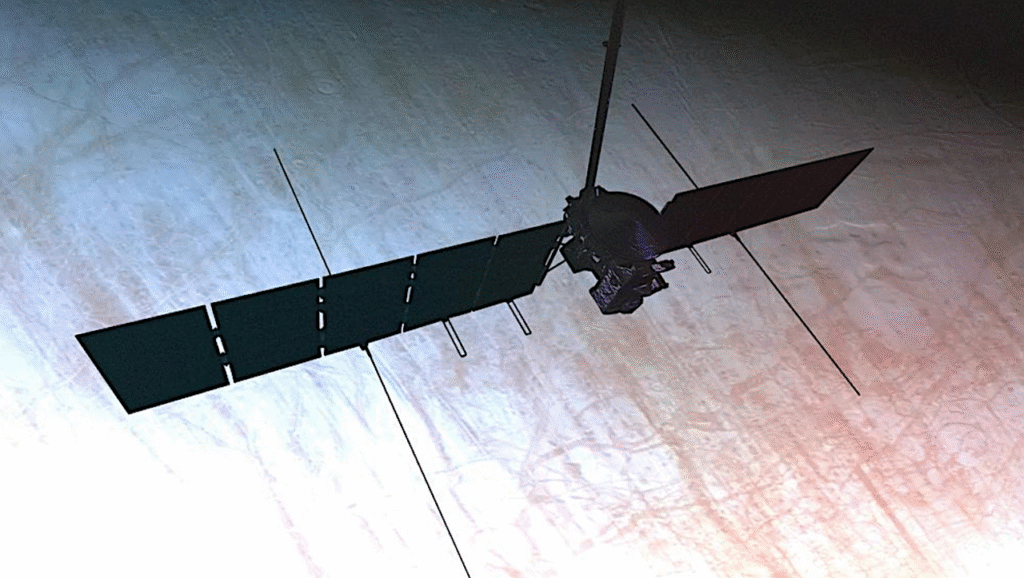
Keith’s note: NASA JPL issued this release on Tuesday 27 January 2026: NASA’s Juno Measures Thickness of Europa’s Ice Shell.” Juno is paving the way for a follow-on mission: Europa Clipper (and ESA’s JUICE mission too). Europa Clipper has a number of prime goals – one of which is to understand the potential habitability of Europa i.e. its ability to host life – which has been a core interest/goal of NASA’s Astrobiology Program for the past 30 years. You’d think that NASA would want to talk about their whole life-in-the-universe program since billions are being spent on it vis-a-vis Europa Clipper. Guess again. NASA ignores its Astrobiology Program. Here are three overt astrobiology memes mentioned in this release – no mention of “Astrobiology” however. Only NASA could deliberately limit access or mention to one of the most profound things that the agency does. When I ask SMD PAO about this they never respond. Never. NASA has a truly inept way of exercising its branding abilities. Once the excitement of Artemis II fades, NASA needs to keep the enthusiasm going by better presenting all of the other exciting things that it does in a way that is consistent across all of its public-facing resources – not stovepiped.

  • “Slightly smaller than Earth’s moon, Europa is one of the solar system’s highest-priority science targets for investigating habitability. Evidence suggests that the ingredients for life may exist in the saltwater ocean that lies beneath its ice shell. Uncovering a variety of characteristics of the ice shell, including its thickness, provides crucial pieces of the puzzle for understanding the moon’s internal workings and the potential for the existence of a habitable environment.” (has a link to Europa Clipper Mission Science that never uses the word Astrobiology or points to the NASA Astrobiology program.
  • “The thick shell, as suggested by the MWR data, implies a longer route that oxygen and nutrients would have to travel to connect Europa’s surface with its subsurface ocean. Understanding this process may be relevant to future studies of Europa’s habitability.”
  • “The small size and shallow depth of these features, as modeled in this study, suggest they are unlikely to be a significant pathway for oxygen and nutrients to travel from Europa’s surface to its salty ocean.”
  • 29 January 2026 Update: And NASA just did it again – an overtly astrobiology-oriented posting that makes zero mention of astrobiology: NASA’s Galileo Mission Points to Ammonia at Europa, Recent Study Shows: “… the first discovery of ammonia-bearing compounds on the surface of Jupiter’s moon Europa. Ammonia is a nitrogen-bearing molecule, and nitrogen — like carbon, hydrogen, and oxygen — is key to life as we know it. As the first such detection at Europa, the finding has important implications for the geology and potential habitability of this icy world and its vast subsurface ocean.”“It also provides a tantalizing target for follow-up by the Europa Clipper mission”
(more…)
  • NASA Watch
  • January 28, 2026
Letter to the Community: The Future of Outer Planets Assessment Group (OPAG)

Keith’s note: on 23 January 2026 the co-chairs of the Outer Planets Assessment Group (OPAG) sent this out to a wide distribution: Dear members of the OPAG community: “We are reaching out to you all in light of the announcement last week by NASA about AG funding and to offer reassurances about the future of the Outer Planets Assessment Group. OPAG is not disbanding.” (Full memo below)

(more…)
  • NASA Watch
  • January 23, 2026
Astrobiology Away Team At Work In Antarctica

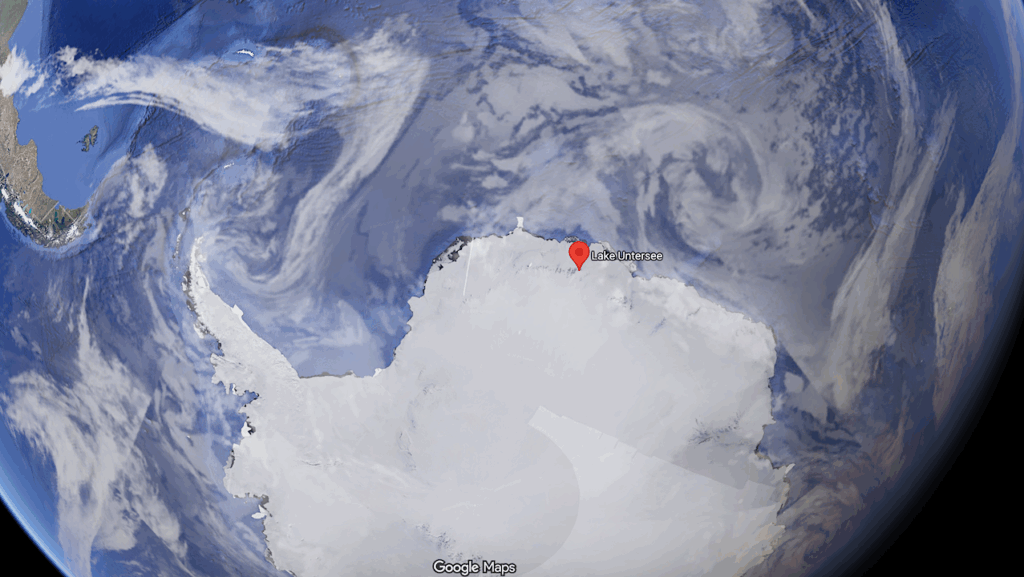
Keith’s note: Dale Andersen’s research team continues their astrobiology research at Lake Untersee, Antarctica: “Today, the sun made a welcome return and although the wind stayed brisk through much of the day, conditions were stable enough for us to get some solid work done. We collected glacial ice, took air samples for environmental DNA, and began melting out the instruments we deployed in the lake last season – those measuring dissolved oxygen and light.” More: Dale Andersen’s Astrobiology Antarctic Status Report: 21 January 2026: Lake Untersee Base Camp Weather

(more…)
  • NASA Watch
  • January 21, 2026
Current / Former NASA Planetary Science Analysis Groups

Keith’s note: these are the current NASA Planetary Science Analysis Groups listed by NASA – just in case that page goes away (it happens a lot at NASA these days). Full page below

(more…)
  • NASA Watch
  • January 18, 2026
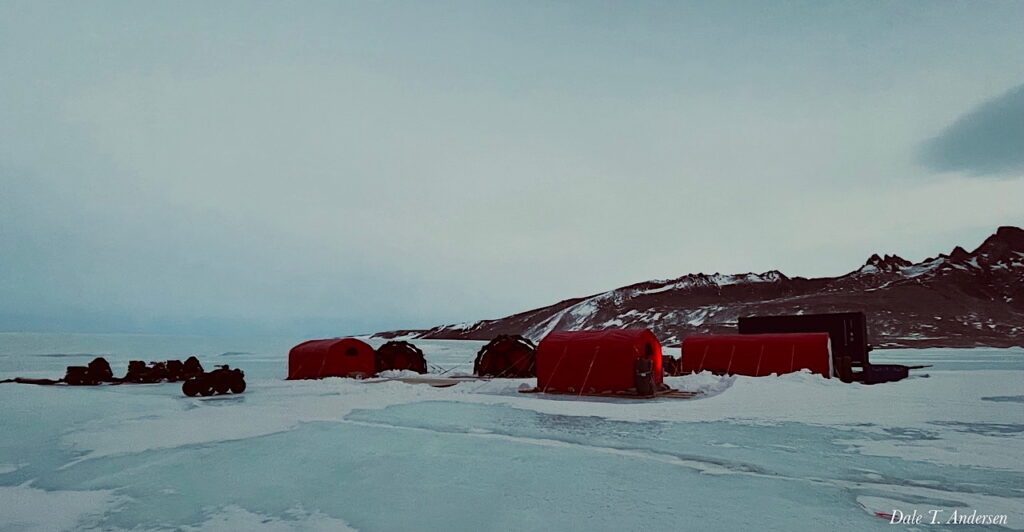
Lake Untersee Base Camp Is Operational

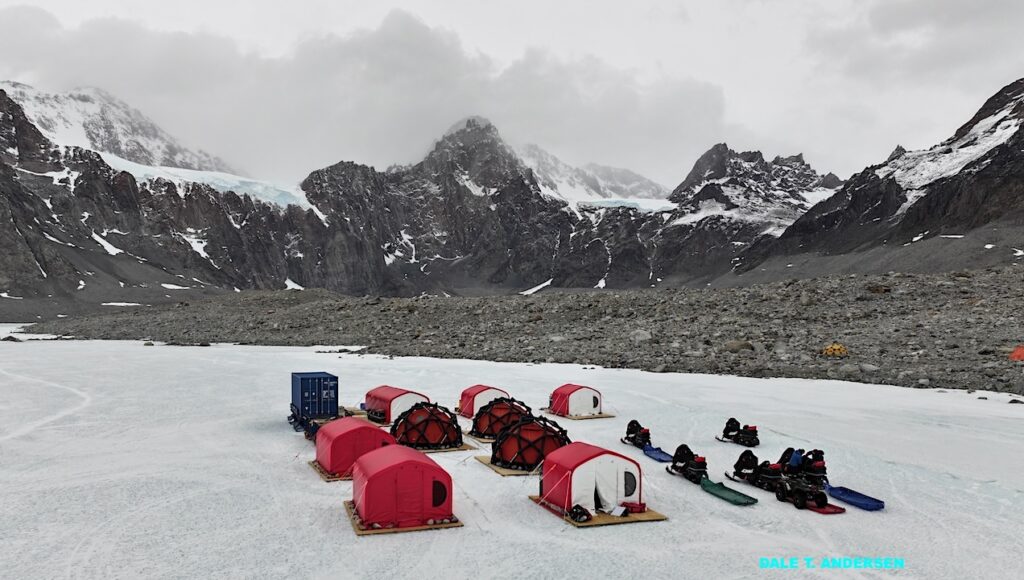
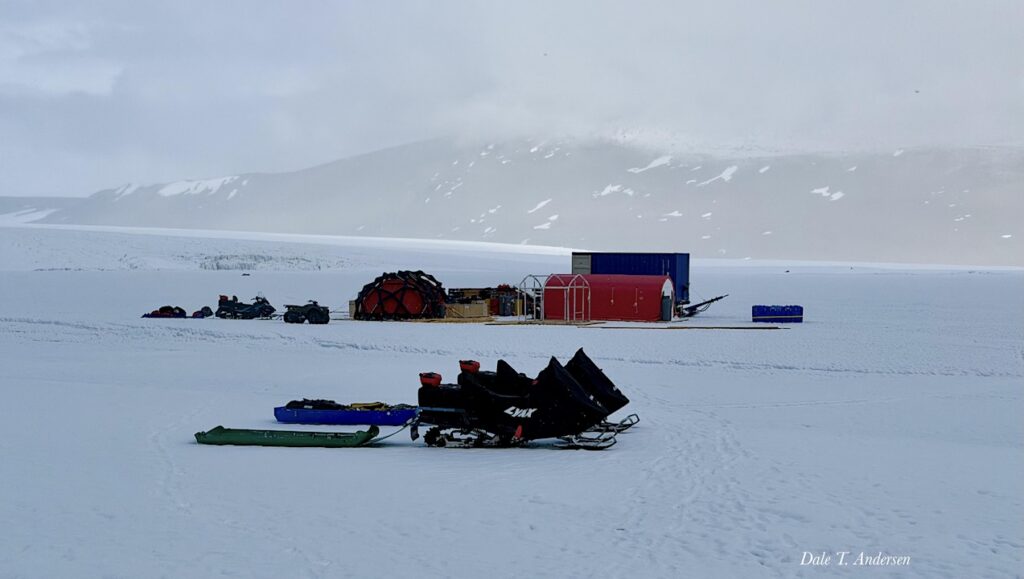
Dale Andersen: “We just completed the camp last night, and today a storm will move in with 50 mph winds (more?) and perhaps some snow. Should provide a quick test of our handiwork! The layout is organized to maximize protection for the various tents. We positioned the sea-container to block the major winds out of the SE, so the central camp sits in its lee.” (Keith’s note: the tents may look familiar – they are made by the same company that provided them to “Star Trek Strange New World”) More: Dale Andersen’s Astrobiology Antarctic Status Report: 18 January 2026: Lake Untersee Base Camp Is Operational

(more…)
  • NASA Watch
  • January 18, 2026
New NASA A.I. Effort For Mars Exploration Ignores The Search For Life (e.g. Astrobiology)

Keith’s note: In case you missed it the White House recently went in – big time – on global AI leadership – here’s the plan at ai.gov. One would assume that NASA was paying attention. They did to some extent. NASA SMD just issued C.12 Foundational Artificial Intelligence for the Moon and Mars (FAIMM) stating that it is “Amended January 13, 2026: This amendment presents this new program element in ROSES-2025.” One of the prime reasons to explore Mars in the first place for the past six decades with robotics and humans has been the search for life – past or present. The NASA program for this is called “Astrobiology”. Yet no mention of the words “astrobiology” or “exobiology” or “life” or “biology” is made in c.12. There is no mention on the new NASA Astrobiology site either. Why is that? More below.

(more…)
  • NASA Watch
  • January 13, 2026
Imagery From An Antarctic Traverse – And Crew 11

Keith’s note: Dale Andersen and his astrobiology research team departed the Ultima ice airstrip where they arrived the other day – and drove their snowmobiles south to their research base location at Lake Untersee. I posted some slightly blurry pics yesterday but now that they have their Starlink up and operational, there’s more imagery and a video to show you. Oh yes – Dale Andersen is holding a ISS Crew 11 patch. He and fellow biologist, astronaut Zena Cardman, have worked together and had planned an antarctic/space conversation – but the crew’s early return cancelled that. More: Dale Andersen’s Astrobiology Antarctic Status Report: 12 January 2026: Overland Traverse Imagery – And Hello ISS

(more…)
  • NASA Watch
  • January 12, 2026
Icy Traverse To Lake Untersee, Antarctica (update)

Keith’s note: Today’s overland traverse from Ultima air strip, southward, to Lake Untersee, was done by snowmobiles pulling sledges packed with gear and supplies. Dale has been doing research in the region around Lake Untersee for many years. As such they have worked out a standard path around terrain that they follow more or less – with weather altering the course slightly from one trip to another. Update: Dale Andersen and his team are now at Lake Untersee, at S 71.260082° E 13.506017° elevation of 2,645 ft. More: Dale Andersen’s Astrobiology Antarctic Status Report: 11 January 2026: Overland Traverse To Lake Untersee

(more…)
  • NASA Watch
  • January 11, 2026
Astrobiology In Antarctica Field Report: Logistics And Infrastructure

“One real improvement this season is that we now have a dedicated place to stage everything at the Ultima airbase: a new WeatherPort hut (about 30 × 30 × 13 ft). For the first time we will be able to keep all of our gear in one spot, including the snowmobiles and the ATV, instead of chasing equipment across multiple caches. Just as important, it gives us a sheltered workspace when we need to lay things out, troubleshoot, or do maintenance without fighting the wind and drifting snow.” More: Dale Andersen’s Astrobiology Antarctic Status Report: 9 January 2026: Building Our New Storage Facility

(more…)
  • NASA Watch
  • January 9, 2026
Astrobiology In Antarctica Field Report: Arrival And Traverse Preps

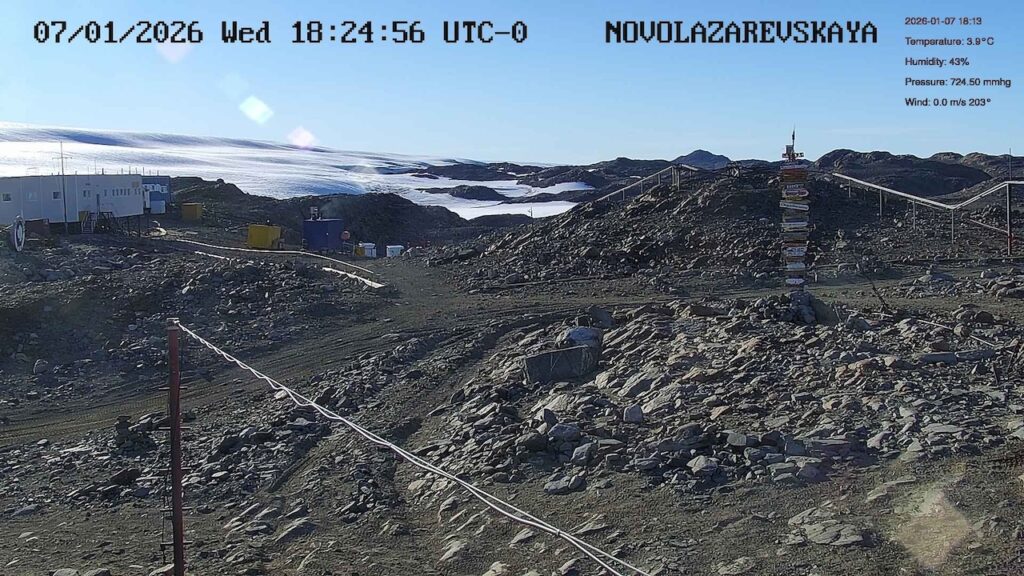
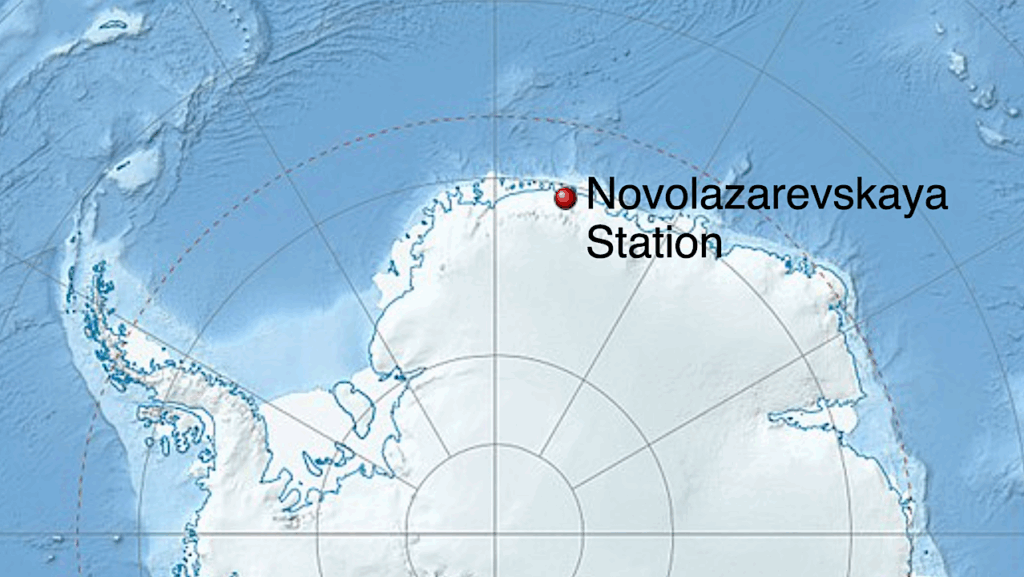
“Hi Keith, We arrived 6pm UTC Tuesday evening to a bright, sunny windless day with air temps just over freezing. Our flight down was nice and he aircraft should return to CPT later this morning or afternoon. Sorry I think my last couple of notes did not make it to you, it will take a couple of days to get our comms sorted out as we get organized. If all goes well we hope to start the traverse to Untersee perhaps over the weekend. As you can imagine our priority now is to get the snowmobiles up and running and to get our cargo sorted and organized, So, a busy couple of days. I hope the weather continues to be nice!” More: Dale Andersen’s Astrobiology Antarctic Status Report: 7 January 2026: Arrival At Novolazarevskaya Station, Antarctica

(more…)
  • NASA Watch
  • January 7, 2026
Astrobiology Expedition to Lake Untersee Antarctica Is Underway

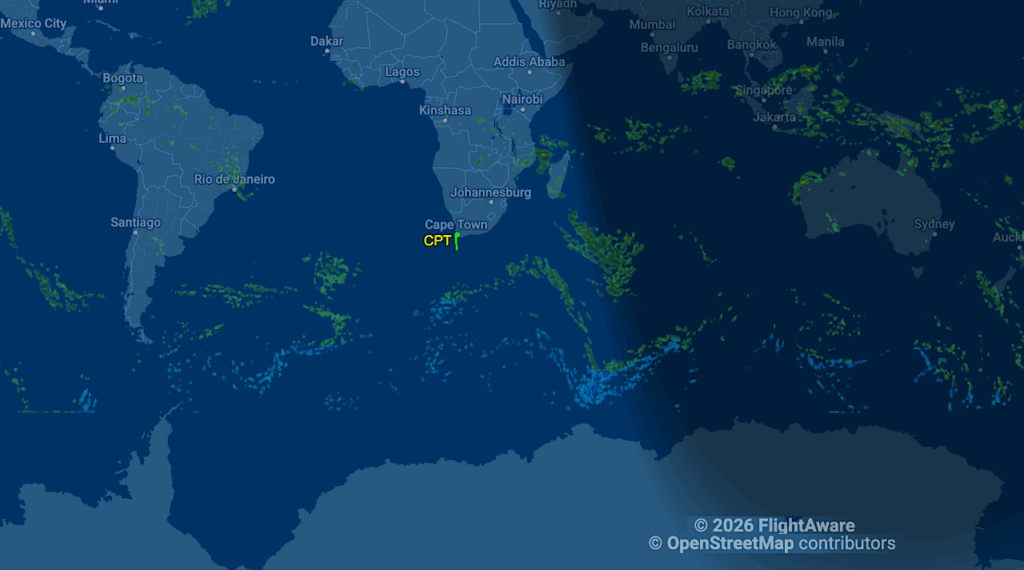
Keith’s note: Astrobiologist Dale Andersen is heading back in Antarctica at Lake Untersee in January-February 2026 for another field season of research. After a 5-6 hr flight from Cape Town, South Africa, Dale and his team will land at the Novolazarevskaya Station ice-runway in Antarctica. They will unpack, gather their stored gear, and prepare for the overland traverse to their research camp at Lake Untersee in a few days. Update and photos here.

(more…)
  • NASA Watch
  • January 6, 2026
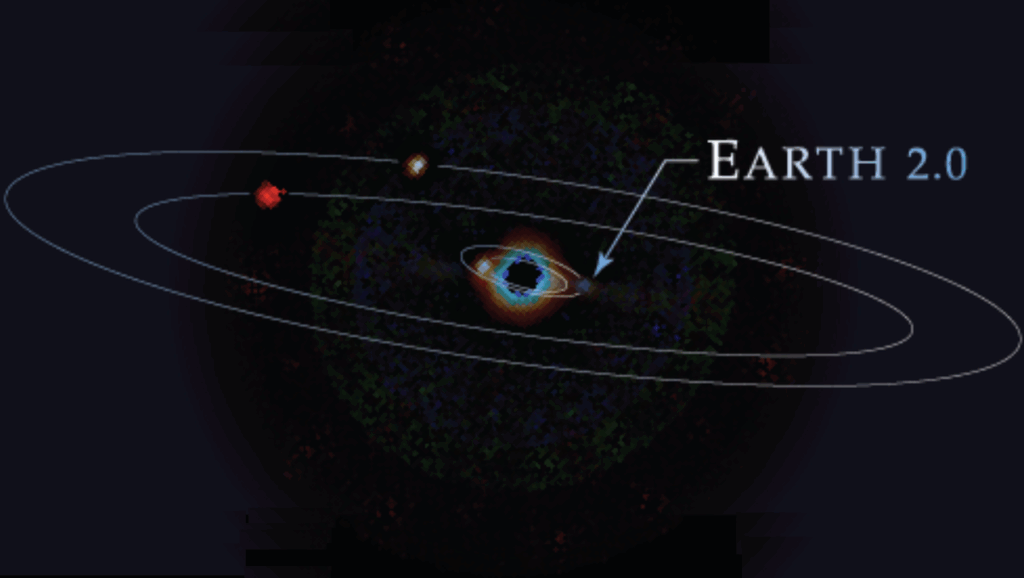
Looking For Earth 2.0

Keith’s note: NASA issued a release today about Habitable Worlds Observatory tech development contracts. Once again, I am baffled why news involving the search for habitable worlds – a core astrobiology thing – doesn’t use the word “astrobiology” in the release or web pages about Habitable Worlds Observatory listed in the release. So I added them to what I am posting. It is cool to get Jared Isaacman quoted – in his own words. The more engaged the Administrator is in these things the better he can support them – and explain them to Congress and the White House. Searching for life elsewhere in the universe is one of the most profound things NASA does – shoulder to shoulder with searching for the origin of the universe itself and making humans a space faring species. NASA needs to develop a better style guide and outreach plan (actually it has never had an outreach plan) so as to better explain this cross-disciplinary activities to the public as well as policy makers. If NASA wants to retain/expand its leadership in space it needs to start telling a more compelling, cohesive, and strategically-enabled story. And oh yes – a story that touches and involves everyone, everywhere. Just sayin’.

(more…)
  • NASA Watch
  • January 5, 2026
Astrobiology In Antarctica Field Report

Keith’s note: Astrobiologist Dale Andersen will be back in Antarctica at Lake Untersee from early January through the end of February 2026 for another field season of research, leading an international field team of graduate students and scientists from the United States, Canada, and Austria. Dale and his team are in Cape Town South Africa preparing their gear for the flight south to Antarctica. Full report

(more…)
  • NASA Watch
  • January 5, 2026
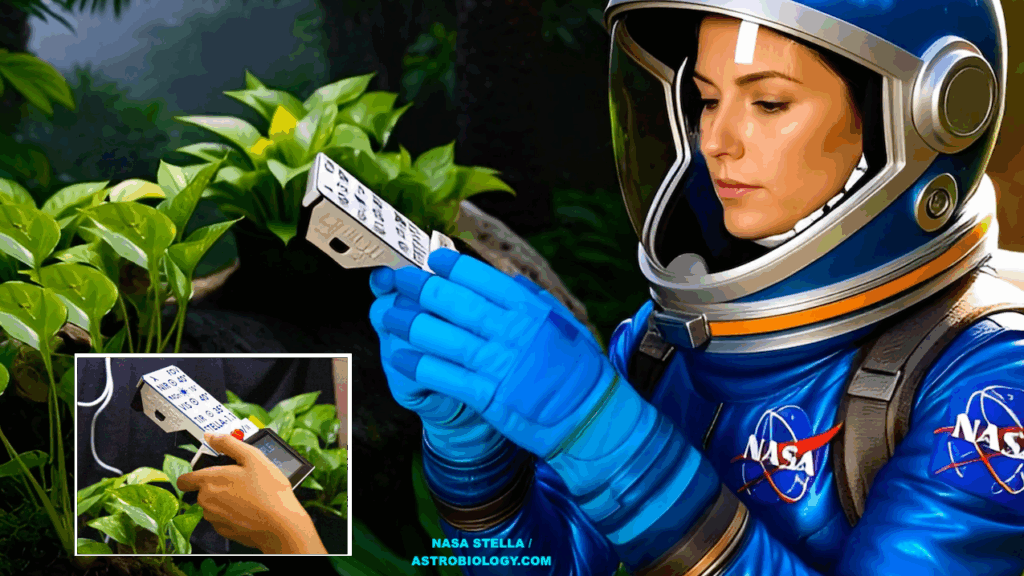
Tricorder Tech For Everyone: NASA’s STELLA Open Science Instrument

Keith’s note: NASA has just authored a paper on a new way for people with a wide variety of interests to use – and build – sensor technology that is a preview of the devices we will use to explore other planets. How will we develop these instruments – sensors, tricorders, scanners, smartphones – call them what you will is now underway at NASA. There is a vibrant citizen science / open science / DIY / “hacker” community in America and around the world that seeks to make interesting things out of ordinary materials. Cellphones outperform what we would have called a “super computer” just a generation ago – and they are in everyone’s pocket. Electronic parts can be bought online and how-to instructions are openly available online – globally. Full story

(more…)
  • NASA Watch
  • January 4, 2026
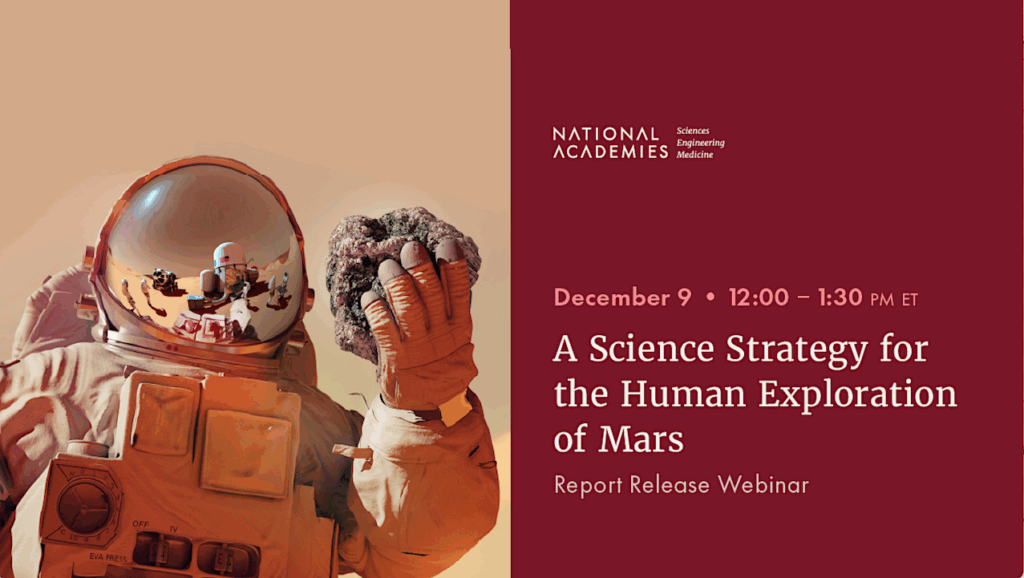
New Academy Report: Science On Mars

Keith’s note: according to a press release from the National Academies of Science A new report “A Science Strategy for the Human Exploration of Mars from the National Academies of Sciences, Engineering, and Medicine identifies the highest priority science objectives for the first human mission to Mars, and says searching for evidence of existing or past life on Mars should be the top priority. Improving our understanding of the effects of Mars’ environment on humans, plants, and animals; water cycles; geologic records; and dust storms are also among the 11 science priorities named in the report.” There will be a media event today from 12:00 PM – 1:30 PM (ET). Watch live.

(more…)
  • NASA Watch
  • December 9, 2025
Astrobiologist Dale Andersen: 2026 Lake Untersee Field Season

Keith’s note: Astrobiologist Dale Andersen will be back in Antarctica at Lake Untersee from early January through the end of February 2026 for another field season of research, leading an international field team of graduate students and scientists from the United States, Canada, and Austria. His work is coordinated through the Carl Sagan Center within the SETI Institute, and we will be posting their updates at Astrobiology.com. More

(more…)
  • NASA Watch
  • November 29, 2025